

Best season for the Annapurna Base Camp trek
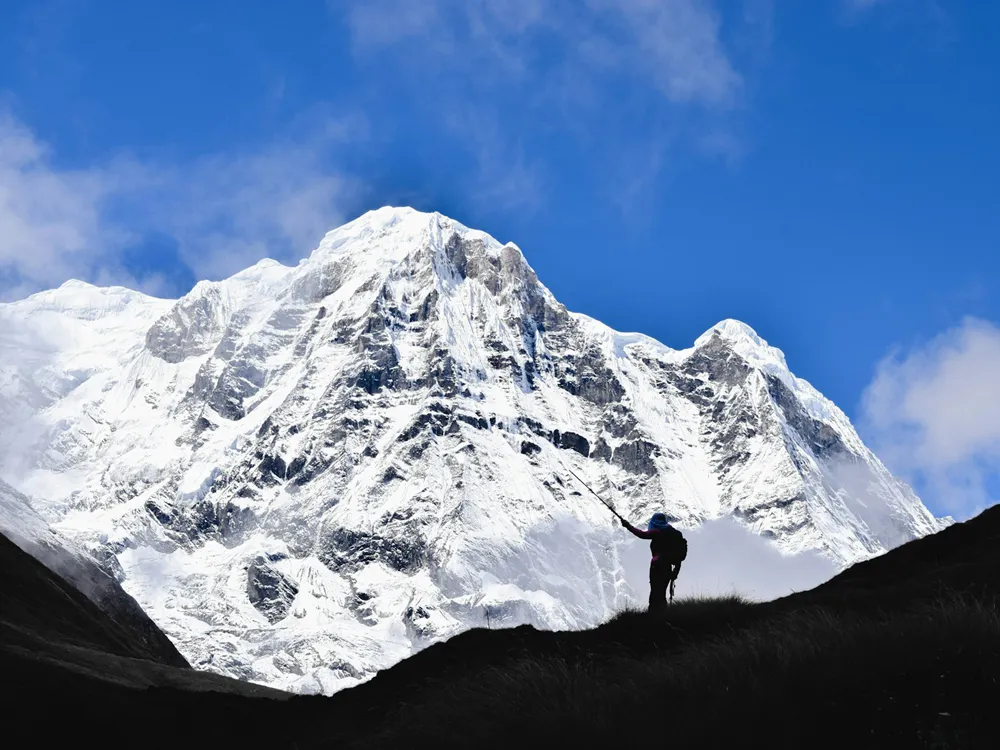
Annapurna base camp trek is one of the popular treks in the Annapurna region that takes you to the base camp of Annapurna I. The Annapurna I is the tenth highest mountain in the world standing at an impressive height of 8091 m. In this blog post, the best season for the Annapurna Base Camp Trek are included. Learn and get to know when to visit ABC for an unforgettable journey.
The trek takes you through the diverse landscapes and beautiful Gurung villages. On the way, you will be blessed with jaw-dropping views of the Machhapuchhre, Annapurna South, Gangapurna, and Hiunchuli peaks.
The trek is easy and if you are a beginner trekker, still can do it. The maximum altitude that you trek will be 4130 m and the total length of your hike would take up to about a week or more. Some of the sections are 5-6 hours of walking per day. The walking part of some sections takes only 7-8 hours of walking.
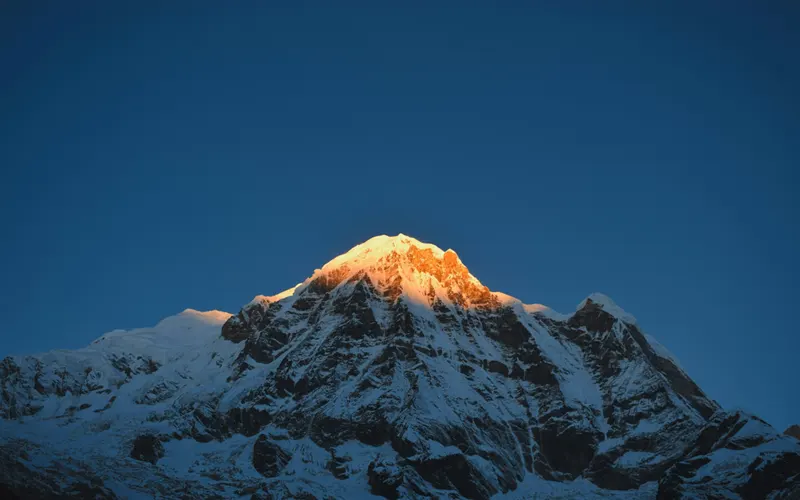
Choosing the right season for trekking
The choosing of the right season for the Annapurna base camp trekking is important. It helps in making the trek memorable and enjoyable based on your preferences. Not all trekkers may love the season that is popular or favorable for trekking.
Similarly, you should focus on your objective of trekking. And being a photographer, if you want to take pictures of this blooming rhododendron, spring is the only season that suits best your interest as well.
While exploring the best trekking site we also take into consideration what season you would like to be in, off-season means quieter treks – Monsoons or Winters and so it goes.Although there are certain drawbacks, you can easily manage by doing proper preparations and training.
Best Season: Spring (March to May)
The best season for trekking to Annapurna base camp is March to May. The reasonbehind this is that the emerald block period blooming rhododendron in addition to silver-colored peaks part all through the spot. When it’s in bloom for the rhododendron, you know what season it is. Its SPRING! A beautiful display of pink, red, and white rhododendrons along the trail!
This season starts just after the snowfall season(winter). So, it is the perfect time to see the snowcapped mountains including Annapurna and Machhapuchhre mountains. Also, the clear sky makes the mountains more visible during the season.
The weather is also cool during the spring season. The day temperature ranges from 18-20°C and the night time temperature drops below 5 °C. Also, there is less chance of heavy rainfall and snowfall.
The best part of the spring season is the sunset and sunrise views of the mountains. The spring season comes with stable weather conditions and clear skies that make the views visible. The blooming colorful rhododendron makes the scenery more stunning.
Second Best Season: Autumn (September to November)
Autumn is the peak season and also the second-best season for the ABC trekking. The weather is pretty cool during the autumn season. The daytime temperature ranges from 12-19°C and the nighttime temperature drops below 4°C. These temperatures are ideal for the trekking.
Characteristics like stable weather, clear skies, and cool temperatures make autumn an easy season to love. Here, you will see the rain-washed beautifulgreen surroundings after the monsoon has just ended.
The midge and bugs are less in autumn. Also, the risk of a flight cancellation is low. Therefore, this is one of the perfect seasons in which you can go on trekking while enjoying post-monsoon views from top ridges.
The two big Nepali festivals that come in autumn are Dashain and Tihar, culturally most significant. If you plan your trek in autumn, then there are amazing chances for participating in festival celebrations.
Winter Season (December to February)
Winter season is not the regular season but is the best season in terms of private ABC trekking experience. You may find the temperature lower than in the normal seasons. The daytime temperatures range from -10°C to 10°C based on the altitude level.
The snowfall at ABC is common in this season. The snowfall is more at night time when the temperatures drop below -20°C. The nighttime is way more cold than ever imagined. The landscapes are covered with white snow blankets.
The good thing about the winter season trekking to ABC is that the prices of the accommodations and other things are lower. Also, you can participate in various cultural celebrations including Christmas celebrations and Lhosar celebrations.
Monsoon Season (June to August)
The monsoon season is also called the rainy season and during these times rainfall in the Annapurna region reaches its peak time. But this season you will see green valleys, with all the best scenic views and snowcapped landscapes, and experience local culture.
Also, there is less crowd than during the peak trekking season. So, with the right mindset and proper preparations, you can make your best trip to the Annapurna base camp during this monsoon. Even though there is a chance of rainfall, the vistas after the rainfall are outstanding.
However, you should be prepared for several challenges during the season. The rainfall is frequent. The trails are muddy and slippery. And the teahouses may be closed due to the limited trekkers during this season.
In addition, there are landslide risks. But, you still can make the most out of the monsoon season. Choose the best gear and equipment and prepare well. Check the weather forecasts, and hire a guide and porter because they guide and help you to make your journey memorable.
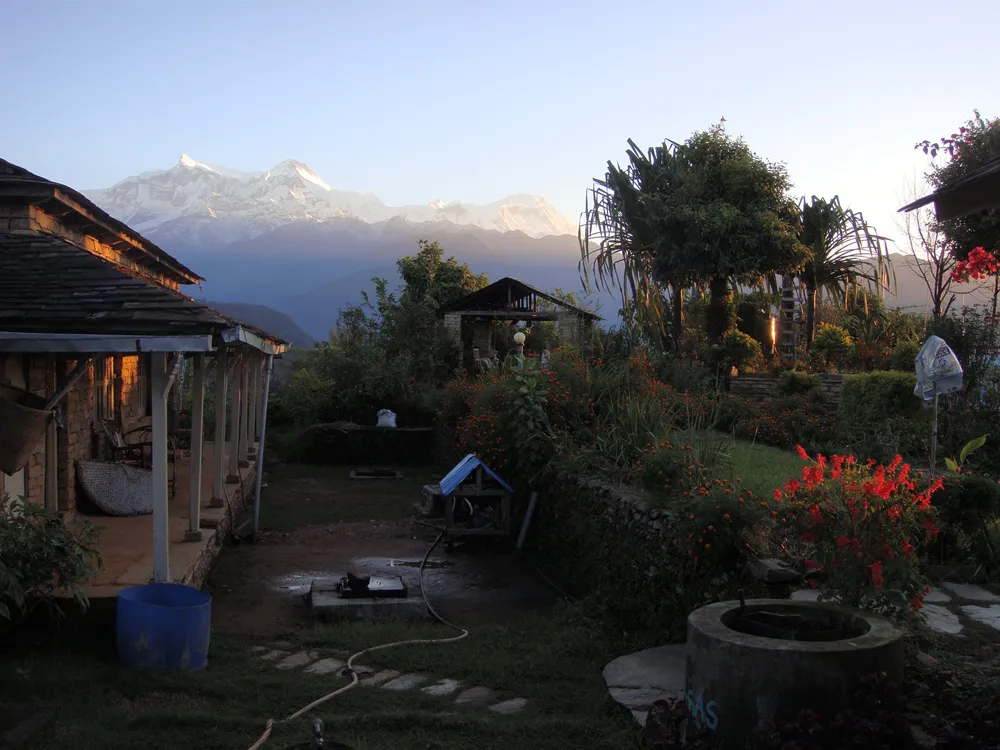
Tips for planning and preparation based on the chosen season
- Spring season
The spring season is the season with stable weather conditions and mild temperatures so, the trek is not so hard. With basic training, you can conquer the trek. Start the training 3 months before going for the trekking.
Pack the layered clothing including thermal underwear, long sleeve T-shirts made of micro-fibers, and breathable polyesters or fleeces as well as insulated puffy down jackets for those extra cold mornings. During spring, trekking attracts the second largest number of trekkers to Nepal so book your accommodation and flights well in advance.
Altitude sickness could still be a concern, even if the hike is not as difficult. Therefore hydrate well and take proper precautions. It would help if you had a supply of protein bars, nuts, and the like for energy.
- Autumn season
The weather conditions are similar to autumn but not exactly like during the spring season. The autumn season starts after the end of the summer/monsoon season. So, the days get shorter and colder.
Bring warm layers with you for possible temperature fluctuations. The warm layers include fleece jackets, down jackets, thermal underwear, thermal tops, thermal socks, sturdy boots, and so on.
Also, bring the rain gear as occasional rainfall may occur as the monsoon has just ended. In terms of the training, you can follow the same routine as for the spring season. But don’t forget to book accommodations and flights early as the autumn season is the peak trekking season for the Annapurna base camp.
- Winter season
The winter season is the cold and off-season for the trekking. Going trekking during the winter season can be fun but you have to be prepared for it. You need to train yourself extensively for 4 months before going on the official trekking journey.
Pack very warm clothes including thermal layers, insulating layers, and outer layers. Don’t forget gloves, hats, glasses, microspikes, trekking poles, and so on. Trek with a guide, and porter. Immediately inform your mate or trekking guide if you notice the symptoms of altitude sickness.
Also, be mentally prepared to face challenges and problems like snowfall, snow-covered cracks, avalanches, and so on. Use GPS-enabled devices for communication and avoid rapid ascents.
- Summer/Monsoon season
The summer is the season of hotness and rainfall. So, just like the winter season, you have to follow extra precautions for the summer season too. Proper training is needed. You should pack lightweight and quick-drying clothing.
In addition, don’t forget to pack rain gear. The rain showers are common in the Annapurna region during the summer season. Use trekking poles while walking on the slippery and muddy paths. Also, be flexible with your itinerary.
Due to the frequent rainfall, you should check the weather forecasts before starting your day trek. Start early as the rainfall usually occurs after noon. Also, be aware of waterborne diseases and other diseases.
Overall season tips and suggestions
- Pack wisely and carry necessary gear and equipment
- Buy a good travel insurance policy that covers trip cancellations, emergency evacuations, and flight delays
- Carry necessary medications including fever, headache, and basic first aid medicines
- Do physical and mental training
- Hire a licensed and experienced guide or porter
- Check the weather forecast before traveling
- Drink purified or bottled water only or carry water purifying tablet
- Acclimatization properly
- Research well before starting your official journey
- Choose a reputable and government-registered agency
Conclusion
All the season has its pros and cons when it comes to trekking to the Annapurna base camp. You must plan and prepare well for the trekking. Physical preparation is the thing that you shouldn’t miss because it builds your physical endurance as well as a positive mindset.
The other things that you should take care of while trekking are forecasting the changes in weather, daylight hours, and important notices of any possible calamities. Book the trip through a registered trekking agency with having experienced and licensed guide.